


2022. 10.
한HAN글文
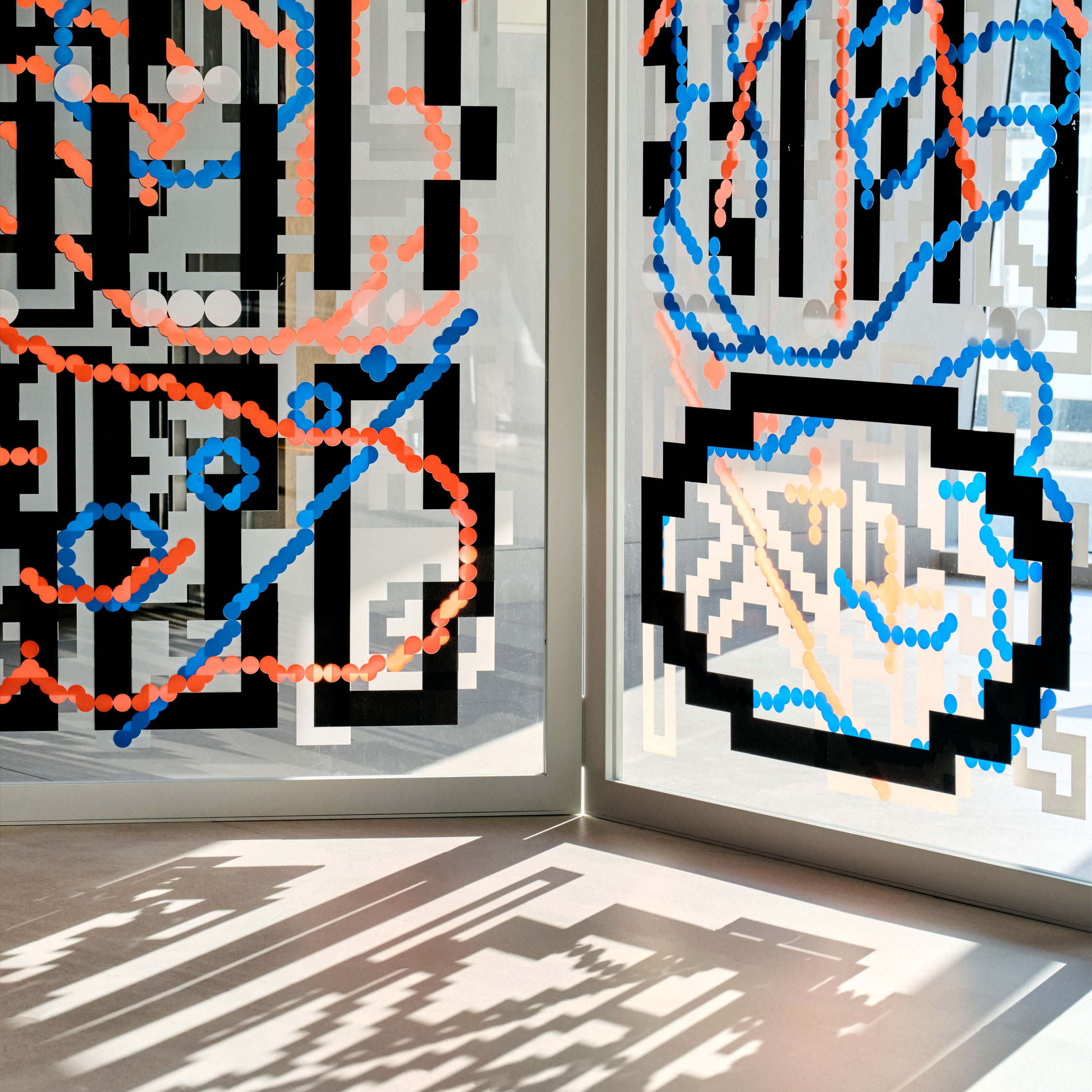
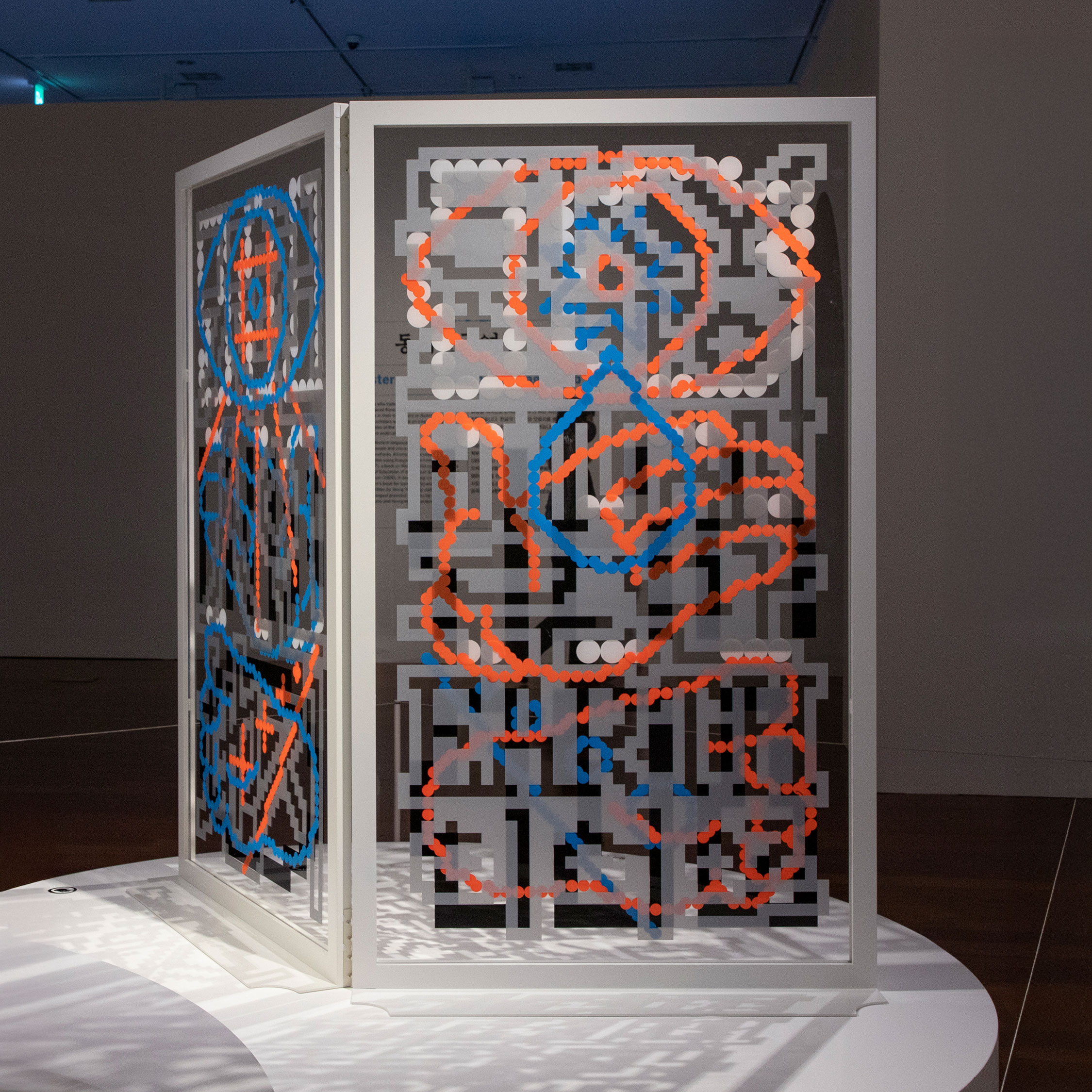
국립한글박물관에서 진행하는 전시 «제4회 한글실험프로젝트: 근대 한글 연구소»에 참여했습니다. 올해는 근대와 한글을 주제로 전시가 진행됩니다. 이화영은 1908년 지석영이 출판한 『아학편』에 영감을 받아 작업을 진행했습니다. 역사적 격변기에 새로운 세계와 전통을 잇는 가교 역할을 한 한글의 위치와 과거와 미래, 안과 밖 사이에 놓여있던 근대 한국인의 모습을 그래픽 작업으로 형상화했습니다. 👁️ ✋🏻 👣
We participated in the exhibition The 4th Hangeul Experimental Project: REINTERPRETING HANGEUL IN THE MODERN ERA at the National Hangeul Museum. This year’s edition explores the themes of modernity and Hangeul. Inspired by Ahakpyeon, a primer published in 1908 by Ji Seok-yeong, Lee Hwayoung created a graphic work that visualizes Hangeul as a bridge between tradition and a new world during a time of historical upheaval. The piece reflects the role of Hangeul and the identity of modern Koreans positioned between past and future, inside and outside. 👁️ ✋🏻 👣
작업 노트:
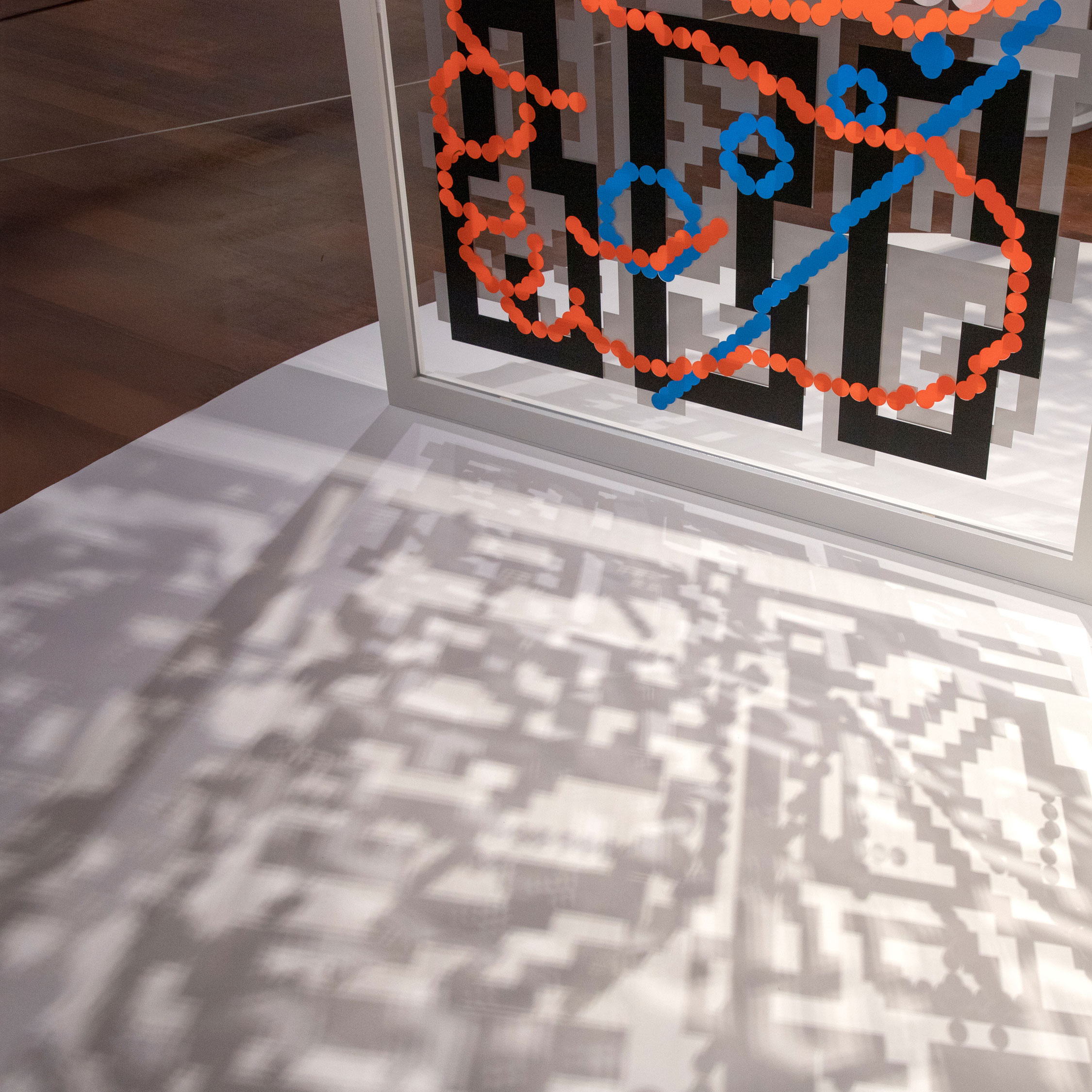
근대 한국에서 한글이 외부세계와 어떻게 관계 맺었는지 또 전통과 미래를 잇는 다리로서 어떤 역할을 했는지 그래픽 작업을 통해 조명한다. 참고한 근대 한글 자료는 1908년 지석영이 출판한 『아학편』이다. 『아학편』은 원래 어린이용 한자교재로 정약용이 편찬한 것인데 지석영이 당시 시대적 상황에 맞게 한자와 함께 영어, 일본어를 병기하고 한글로써 다른 언어의 뜻과 음을 알기 쉽게 전달했다. 지석영의 『아학편』은 과거의 유산과 새로운 지식을 연결한 한글의 역할 또 다양한 언어와 세계관이 중첩되던 근대의 모습을 생생히 드러내고 있다. 그래서 이 사료를 바탕으로 한국 근대를 “과거와 미래”, “한국과 세계”, “양반과 백성”과 같은 경계가 허물어지고 여러 가치관이 중첩되던 시기로 보고 그것을 다양한 언어와 글자가 중첩된 그래픽으로 시각화했다. 작업이 배치된 투명한 두 개의 화면은 마치 큰 창이나 문, 혹은 책의 펼침면처럼 보이기도 하는데 이는 당시의 문호개방을 상징하며 한글이 새로운 세계를 바라보는 창의 역할을 했음을 보여준다. 근대 한국인들은 한글을 통해 스스로 뿐만 아니라 외부세계를 이해할 수 있었다. 이렇게 서로 다른 것을 연결하는 한글의 역할은 그것의 제자원리인 “천-지-인” 삼재에서도 찾아 볼 수 있었다. 이에 “하늘, 天, SKY”, “사람, 人, HUMAN”, “땅, 地, EARTH” 세 단어와 두 개의 눈, 손, 발 이미지를 중첩시켜 과거와 미래 그리고 안과 밖 사이에 놓여있었던 당시 근대인의 모습을 형상화했다.
Designer’s Note:
Inspired by the 1908 publication Ahakpyeon by Ji Seok-yeong, this work explores Hangeul’s role as a bridge between different worlds — past and future, Korea and the globe, elite and common people. Ahakpyeon, originally a Chinese character primer, was revised to include English and Japanese alongside Hangeul, offering a layered snapshot of Korea’s transitional era. By overlapping multiple languages and scripts, the work visualizes the blurred boundaries and coexistence of values that defined the modern period. Two transparent panels — resembling windows, gates, or an open book — symbolize the moment of cultural opening and Hangeul’s function as a lens through which to view and interpret the wider world. The figures of eyes, hands, and feet, combined with the triadic principle of “Heaven–Earth–Human (天地人),” evoke the position of the modern Korean subject, suspended between inside and outside, tradition and transformation.
주최 Organizer:
국립한글박물관National Hangeul Museum
디자인 Design:
이화영
Lee Hwayoung